
SMT/DIP

SMT + DIP PCBA Assembly Services | One-Stop Manufacturing

Why SMT + DIP PCBA Assembly Is More Than Just Combining Two Processes

SMT + DIP PCBA assembly is not simply placing surface-mount components and through-hole parts on the same board.

In real manufacturing, mixed-technology PCB assembly introduces multiple process risks, including thermal stress mismatch, solder joint instability, wave solder shadowing, and component damage during secondary reflow or wave soldering.

To achieve stable quality in SMT + DIP assembly, SCSPCBA manufacturers must control:

  • SMT placement accuracy: ±0.02 mm
  • Supported packages: 0201 / QFN / BGA / LGA
  • Max PCB size: 450 × 520 mm
  • DIP insertion: Auto + manual hybrid
  • Wave solder temperature control: ±2°C
  • Typical first-pass yield (FPY): ≥99%

At SCSPCBA, SMT + DIP PCBA assembly is handled as a single integrated manufacturing system, not as two disconnected processes.

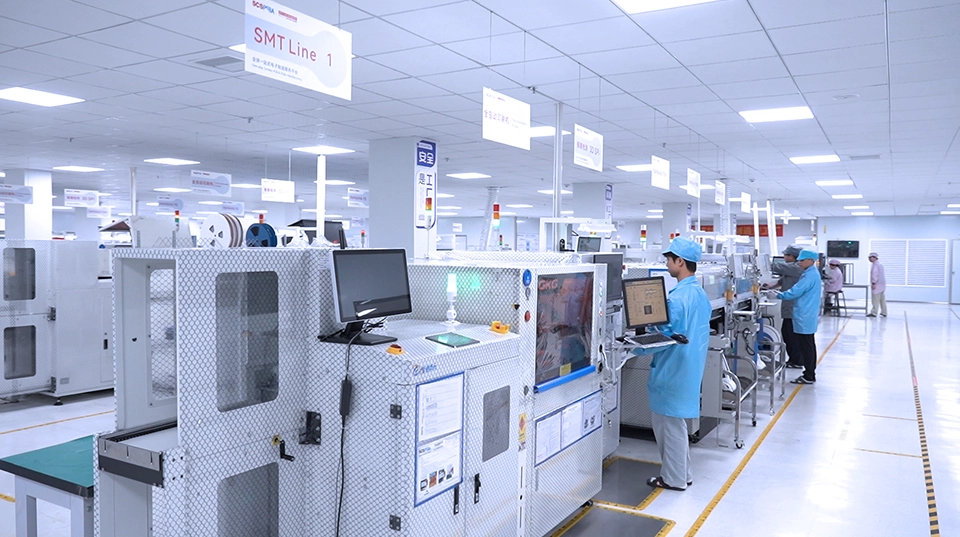
With in-house SMT lines, controlled wave soldering processes, and unified quality standards, we support reliable mixed-technology PCB assembly for applications requiring high stability and long-term performance.

SMT Assembly Process

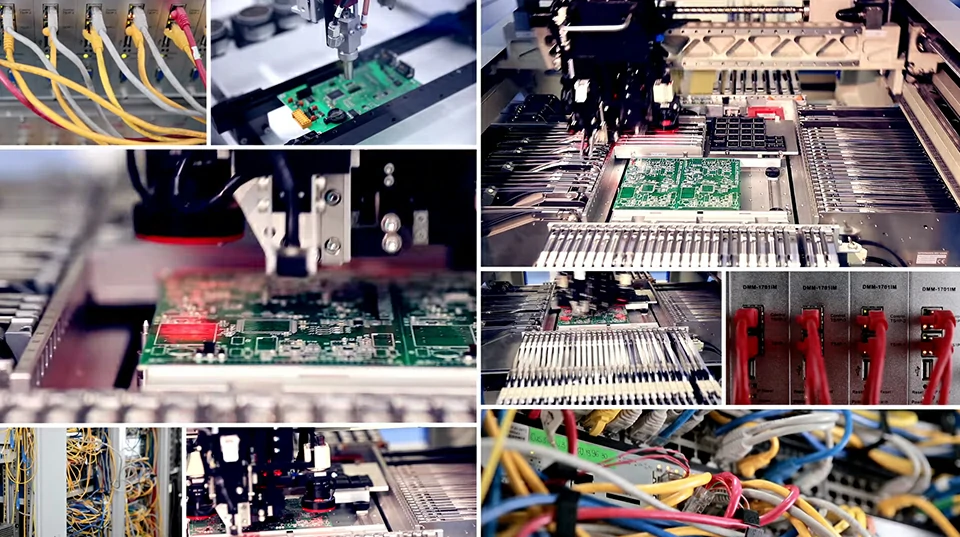
SMT is a technology that directly mounts electronic components onto the PCB using solder paste and reflow soldering.

Process Flow:

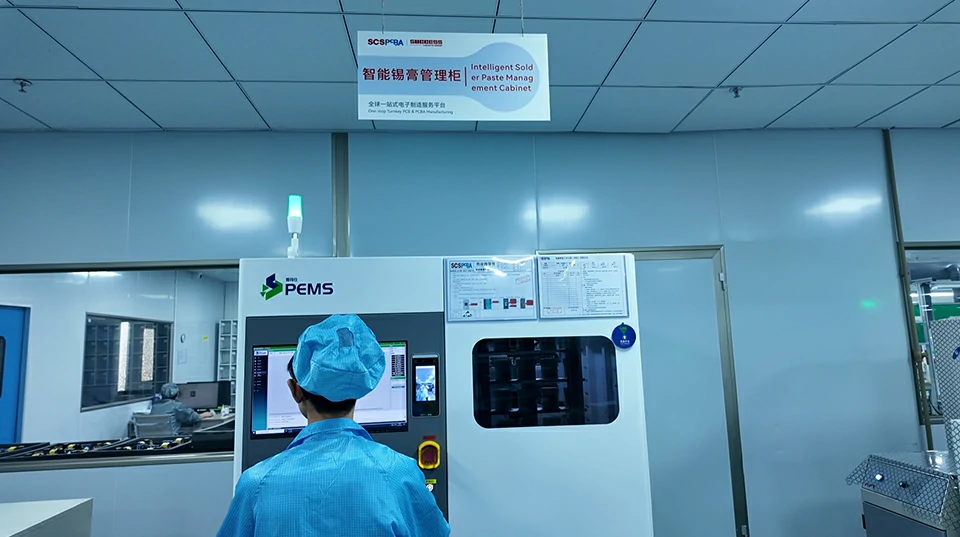
  • Solder Paste Printing – Applying solder paste onto PCB pads using high-precision stencils and automatic printers.
  • SPI (Solder Paste Inspection) – Ensuring proper solder paste thickness and distribution using 3D solder paste inspection.
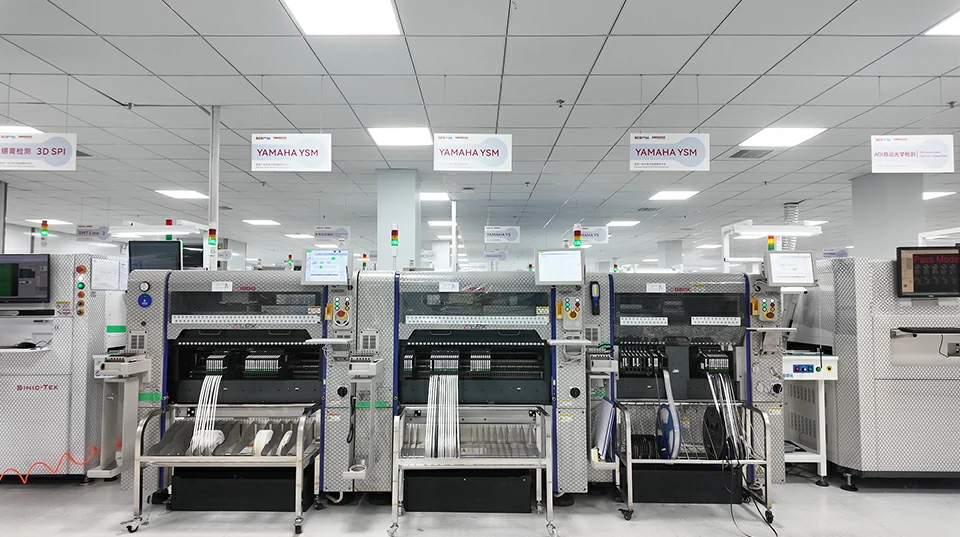
  • High-speed Component Placement – Using high-precision SMT pick-and-place machines to accurately mount various SMD components (e.g., resistors, capacitors, ICs) onto the PCB.
  • Reflow Soldering – The PCB enters a reflow oven, where the solder paste melts under a controlled temperature curve to complete component soldering.
  • AOI (Automated Optical Inspection) – Using high-resolution cameras to check solder joint quality and detect defects such as missing solder, bridging, or misalignment.
  • X-ray Inspection (for BGA/QFN packages) – Examining internal soldering quality to ensure no voids or cracks.

DIP Through-Hole Assembly Process

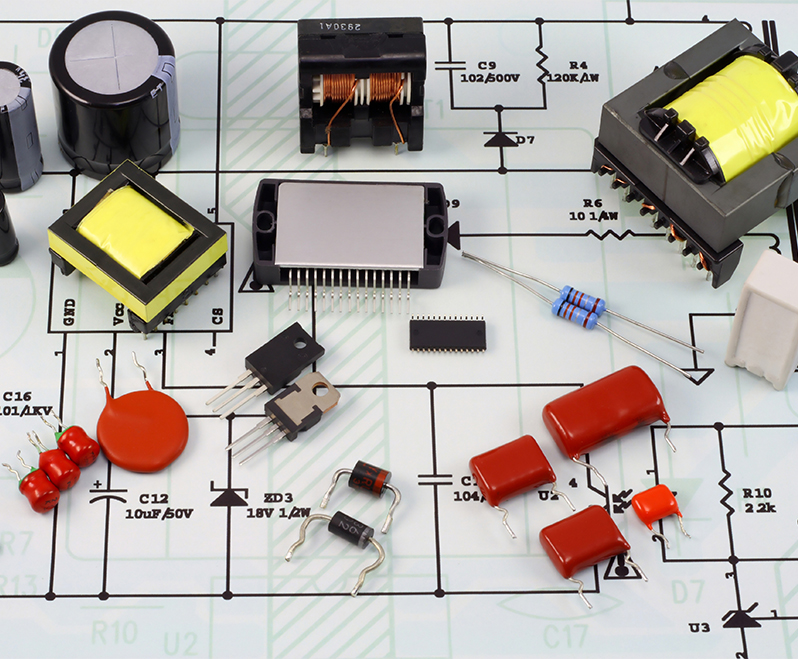
The DIP process is used for traditional through-hole components, commonly found in high-reliability or high-power products.

Process Flow:

  • Component Preparation – Pre-processing of DIP components, such as taping, forming, and cutting.
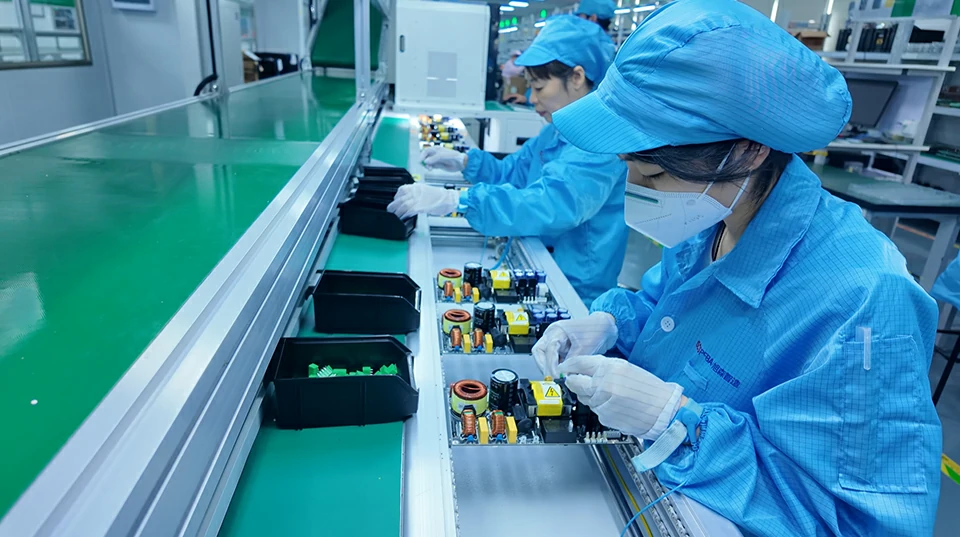
  • Manual Insertion / Automated Insertion – Inserting components into PCB holes using automated insertion machines or manual assembly.
  • Wave Soldering (for mass production):
    The PCB passes through preheating, flux application, and wave soldering stages, where molten solder forms secure electrical connections.
  • Manual Soldering (for small batches or specific components) – Hand soldering is used for certain components that cannot be wave soldered, such as high-power devices.
  • Inspection & Rework – Conducting AOI and ICT testing to verify soldering quality and correct defects if needed.

Manufacturing Equipment & Process Reliability

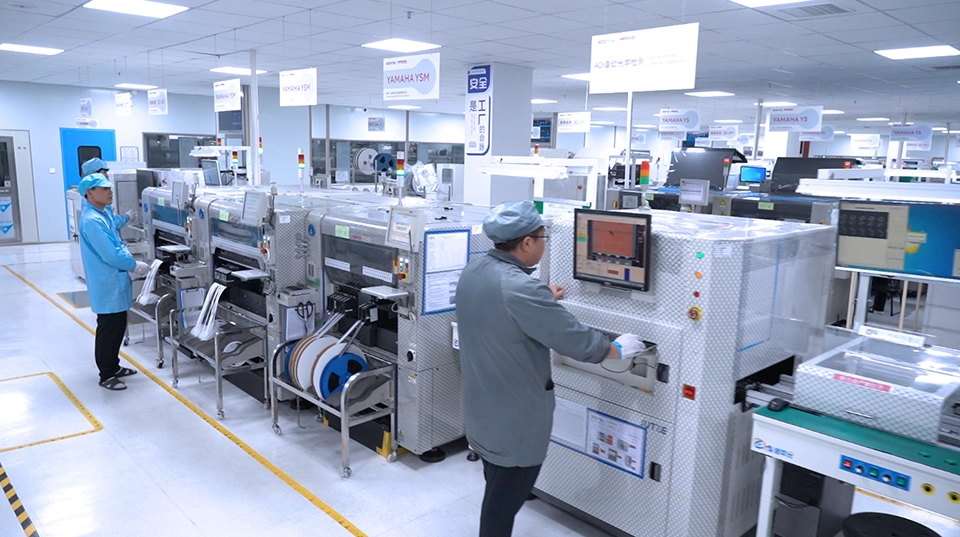
Our SMT/DIP production lines are equipped with state-of-the-art automation equipment to ensure production efficiency and product quality.

Key Equipment:

  • SMT Equipment: High-precision pick-and-place machines (Panasonic/NXT/Samsung), capable of handling 0402, BGA, QFN, and other micro components.
  • Inspection Equipment: AOI, SPI, X-ray, ICT, FCT, ensuring 100% quality control.
  • DIP Equipment: Automatic insertion machines, wave soldering systems, and manual soldering stations to accommodate various assembly needs.

Our Advantages

  • High Precision & Stability – SMT machines with ±0.02mm accuracy ensure reliable soldering quality.
  • Comprehensive Quality Control – Strict QC processes from solder paste printing to final testing, minimizing defect rates.
  • Flexible Production Capabilities – Supporting small-batch prototyping and mass production.
  • One-stop PCBA Service – Covering component sourcing, PCB fabrication, SMT/DIP assembly, testing, and packaging.
  • Fast Delivery – Standard lead time of 3-7 days, with expedited options available within 24 hours.

Industry Applications

  • Our SMT/DIP services are widely used in the following industries:
    • Automotive Electronics (car navigation systems, dashcams, smart rearview mirrors)
    • Consumer Electronics (smart wearables, Bluetooth headsets, wireless chargers)
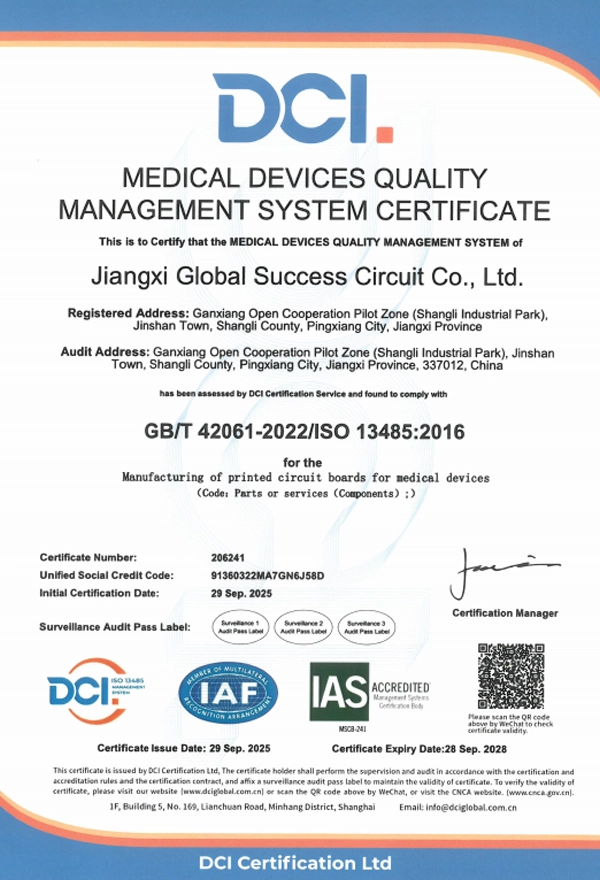
    • Medical Devices (blood pressure monitors, ECG monitors, temperature sensors)
    • Industrial Control (motor drivers, inverters, smart meters)
    • Telecommunication Equipment (Wi-Fi modules, routers, 5G base stations)

Quality Control & Testing

  • To ensure the reliability of PCBA products, we implement the following inspection methods:
    • SPI Inspection – Checks solder paste printing quality to prevent bridging or insufficient solder.
    • AOI Inspection – Automated optical inspection of placement accuracy and solder joint quality to detect missing or reversed components.
    • X-ray Inspection – Used for BGA, QFN, and hidden solder joints to ensure proper internal connections.
    • ICT Testing (In-Circuit Test) – Electrical performance testing of circuits, including voltage, current, and short circuits.
    • FCT Testing (Functional Test) – Simulates real-world operation to verify the full functionality of PCBA boards.
    • Aging Test – Long-term operational testing to ensure stabili

AI Intelligent Online Quotation

PCB Services

PCBA Service

BOM Services

Recommended Services

PCB Fabrication Services

Components Services

PCB Assembly Services

Box Build Assembly Cases

Solution Development

© 2013 - 2026 | Success Circuits Group Limited | All Rights Reserved.