
SMT/DIP

SMT + DIP PCBA Assembly Services | One-Stop Manufacturing

Why SMT + DIP PCBA Assembly Is More Than Just Combining Two Processes

SMT + DIP PCBA assembly is not simply placing surface-mount components and through-hole parts on the same board.

In real manufacturing, mixed-technology PCB assembly introduces multiple process risks, including thermal stress mismatch, solder joint instability, wave solder shadowing, and component damage during secondary reflow or wave soldering.

To achieve stable quality in SMT + DIP assembly, SCSPCBA manufacturers must control:

  • SMT placement accuracy: ±0.02 mm
  • Supported packages: 0201 / QFN / BGA / LGA
  • Max PCB size: 450 × 520 mm
  • DIP insertion: Auto + manual hybrid
  • Wave solder temperature control: ±2°C
  • Typical first-pass yield (FPY): ≥99%

At SCSPCBA, SMT + DIP PCBA assembly is handled as a single integrated manufacturing system, not as two disconnected processes.

With in-house SMT lines, controlled wave soldering processes, and unified quality standards, we support reliable mixed-technology PCB assembly for applications requiring high stability and long-term performance.

What Is SMT and DIP Assembly?

SMT (Surface Mount Technology) and DIP (Dual In-line Package, or Through-Hole Assembly) are two core PCB assembly technologies, each designed to meet different electrical, mechanical, and reliability requirements.

In modern electronics manufacturing, many products rely on SMT + DIP mixed assembly to balance miniaturization, mechanical strength, and functional reliability—especially in industrial, automotive, and power-related applications.

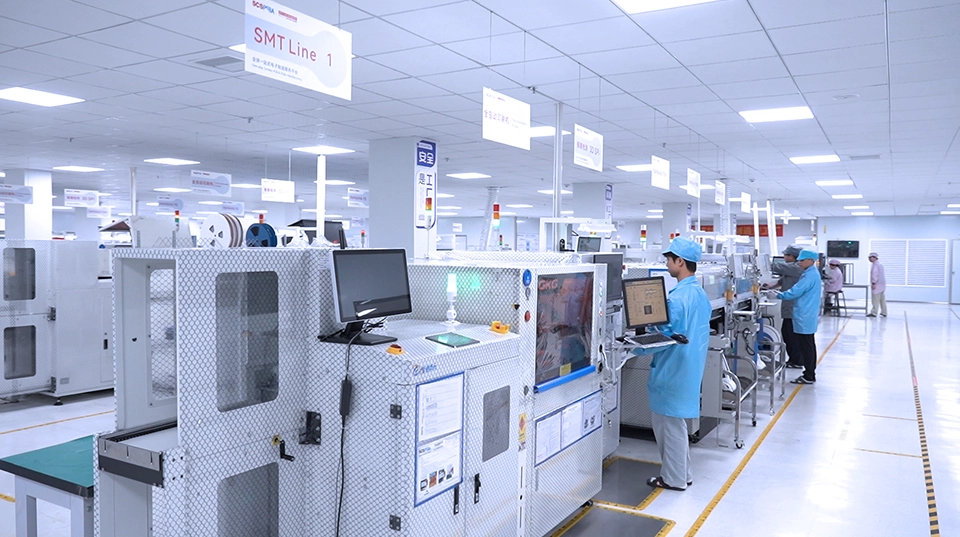
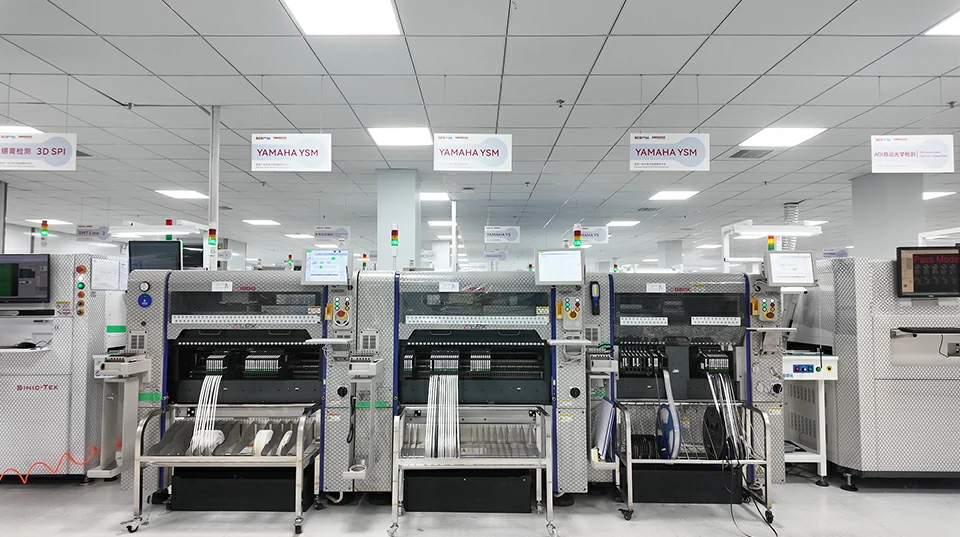
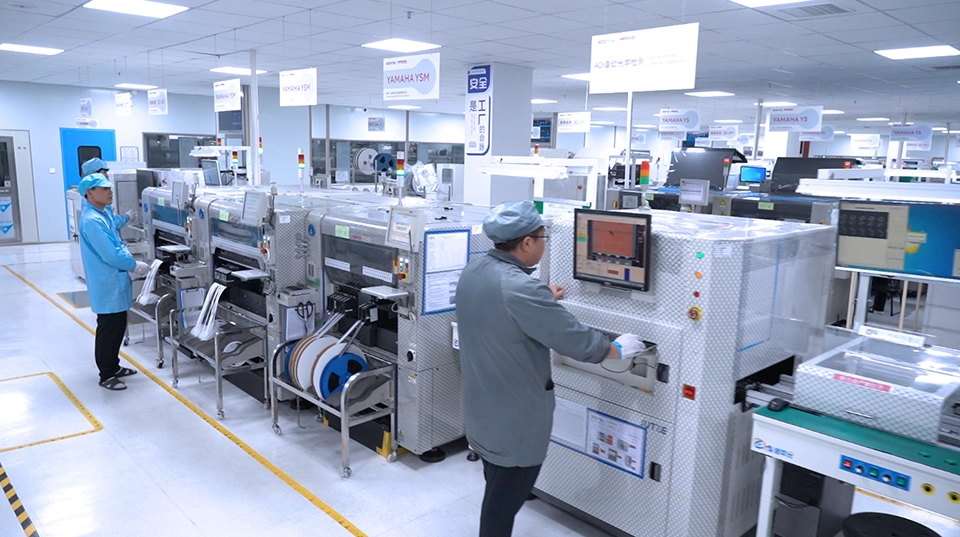
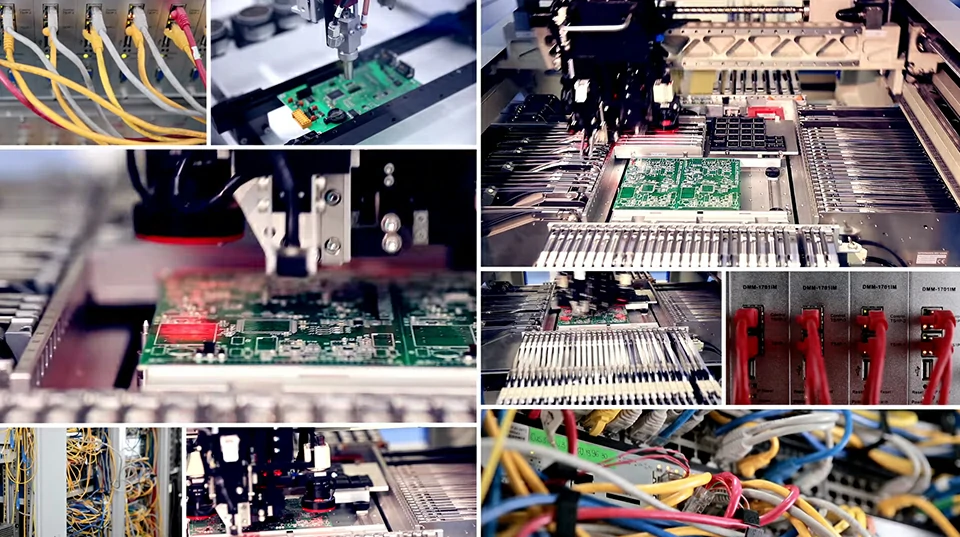
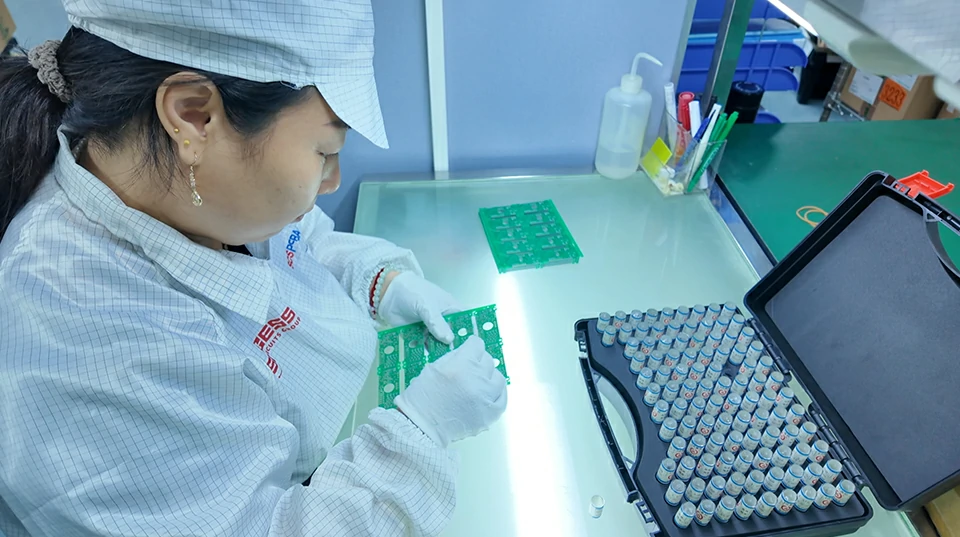
circuit printed board assembly manufacturing complete smt production line

What Is SMT (Surface Mount Technology)?

SMT assembly involves mounting electronic components directly onto the surface of a PCB using solder paste printing, high-speed placement, and reflow soldering.

SMT enables high-density layouts, compact board design, and automated mass production, making it the dominant choice for modern electronic products.

  • Small package sizes (0201, QFN, BGA, LGA)
  • High placement accuracy
  • Suitable for multilayer and high-density PCBs
  • Optimized for automated production and cost efficiency

SMT

What Is DIP (Through-Hole Assembly)?

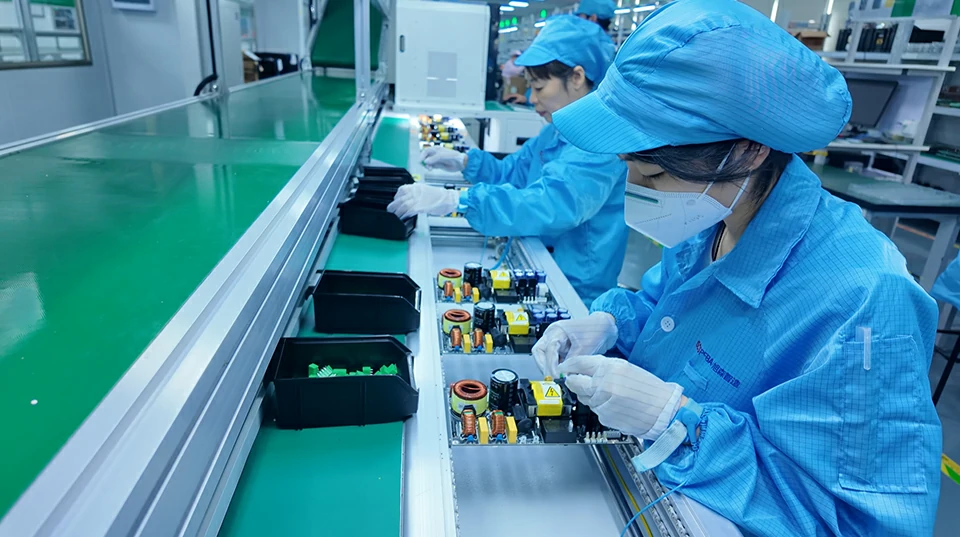
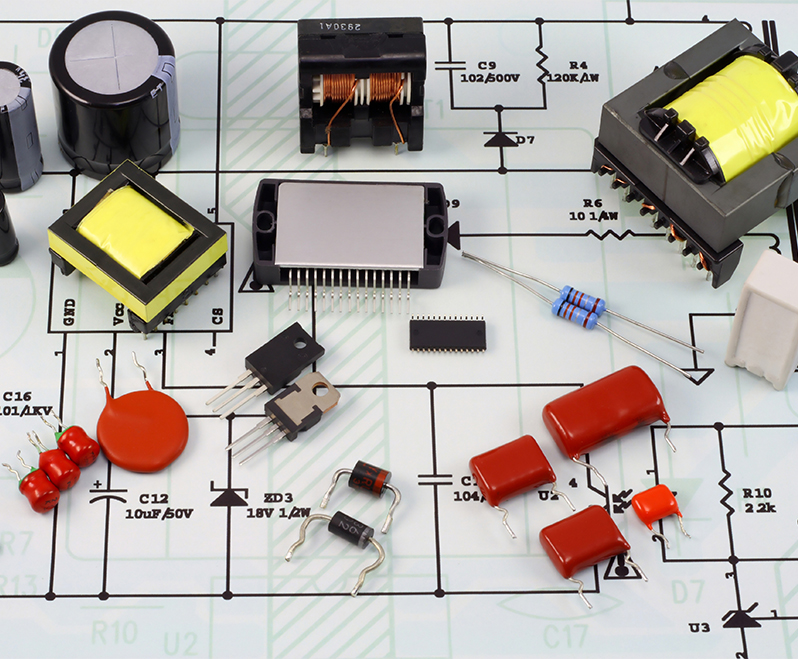
DIP assembly, also known as through-hole technology, requires component leads to be inserted into drilled PCB holes and soldered using wave soldering or selective soldering.

DIP components provide strong mechanical bonding and are commonly used for parts exposed to stress, heat, or high current.

  • Strong solder joints and mechanical stability
  • Ideal for connectors, transformers, relays, and power devices
  • Compatible with wave soldering and selective soldering processes
  • Often combined with SMT on the same circuit board

DIP

SMT / DIP Assembly Process – Parameters, Standards & Inspection

The complexity of mixed SMT and DIP assembly lies not in the printed circuit board manufacturing processes themselves, but in the coordinated control of different soldering methods on the same PCB.

From solder paste printing windows and reflow profiles to component preheating, wave soldering temperatures, and overall board inspection schedules, any lapse in control at any stage will amplify the defect risks of the mixed process.

SCSPCBA achieves stable mass production of SMT + DIP PCB manufacturing assemblies through independent SMT production lines, controllable DIP soldering processes, and multi-layer inspection mechanisms.

SMT Core Process Flow

SMT vs DIP: SCSPCBA Process and Capability Comparison Table

ProjectSMT AssemblyDIP
Process TypeSurface Mount TechnologyThrough-Hole / DIP
Main Process FlowSolder paste printing → SPI → Surface mount → Reflow soldering → AOI → X-ray inspection (BGA)Component insertion → Preheating → Wave soldering/selective soldering → Trimming → Inspection
Number of Production Lines
5 SMT lines
2 DIP main lines + manual soldering line
Production Line Structure• High-performance multi-functional line (2+1): 1 line
• Standard line (1+1): 3 line
• Sample line: 1 line

• Selective soldering: 1 line
• Wave soldering: 2 line
• Manual soldering: 2 line (8 people)
Typical Applicable ProductsAutomotive Electronics, Medical, Industrial Control, Communications, Consumer Electronics

Automotive, Medical, Industrial Control (Small Batch)
Consumer Electronics (Large Batch)
Order Adaptability

Samples / Small batches / Medium to large batches

Regular products / Samples / Small batches / Multiple varieties
Level of Automation
Highly automated
Semi-automatic + human assistance
Core Advantages
High density, high consistency, high efficiency
High mechanical strength, strong solder joint reliability
Process ChallengesPrecision control, reflow profile consistencyWelding stability, control of bridging and cold welds
Key ParametersPlacement accuracy: ±0.02 mm
Supported packages: 0201 / QFN / BGA / LGA
Solder paste thickness and printing consistency: SPI online monitoring
Reflow soldering temperature zones: Multi-zone temperature control + curve recording
Preheat temperature: 90–110°C
Wave solder temperature: 245–255°C
Conveyor speed: 1.2–1.8 m/min
Parameter recording: Traceable
Typical Risk PointsBGA Hidden Solder Joints, Overlapping Thermal Histories

Component Misalignment, Bridging, Secondary Thermal Shock
InspectionSPI / AOI / X-RayAOI / Visual Inspection
Daily Production Capacity
40,000,000 points/day
350,000 points/day

Quality Control & Certification System for SMT + DIP Assembly

The quality risks of SMT + DIP hybrid circuit board manufacturing processes do not stem from a single process, but rather from the cumulative effect of multiple soldering processes on the same PCB.

SCSCPCBA ensures the long-term stability of hybrid-process circuit board assembly across various application scenarios through layered process control, key-parameter locking, full-process inspection, and standardized execution.

(1) Key Risks in SMT + DIP Mixed Assembly

Typical risks of mixed processes include:

  • Solder joints after SMT reflow soldering undergo secondary thermal shock during DIP wave soldering.
  • Bridging/cold solder joints occur in densely populated areas of through-hole components.
  • Localized thermal stress concentration due to high-power devices.
  • Parameter drift during small-batch, multi-circuit board changeovers.

These risks, if not proactively managed, will be amplified during mass production of printed circuit boards.

(2) Process-Level Quality Control Measures

  • SMT Stage Control
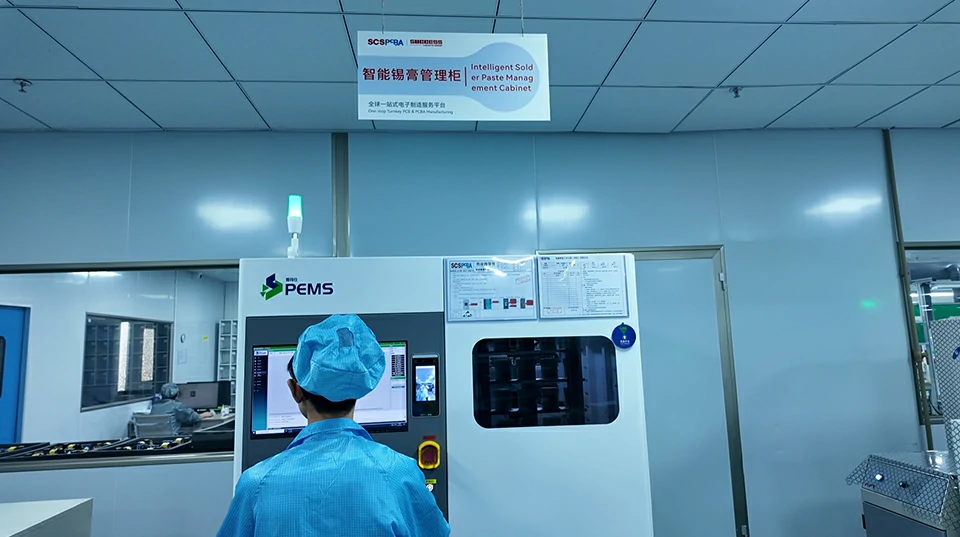
    SPI Online Inspection of Solder Paste Thickness and Coverage
    Reflow Soldering Temperature Profile Recording and Locking
    BGA/QFN Component X-Ray Sampling or Full Inspection
  • DIP Stage Control
    Standardization of Component Insertion Angle and Height
    Wave Soldering/Selective Soldering Temperature Window Control (245–255°C)
    Preheating Zone Temperature Control (90–110°C) to Reduce Thermal Shock
  • Hybrid Process Co-control (Critical)
    SMT and DIP Process Sequence Evaluation
    Thermal History Overlay Analysis
    Wave Soldering Fixture and Masking Design to Protect SMT Solder Joints

(3) Inspection and Testing System

  • Online Inspection (Process Control)
    SPI: Solder Paste Printing Consistency
    AOI: Comprehensive Inspection After SMT + DIP Packaging
    X-ray: Hidden Solder Joint Inspection (BGA / QFN)
  • Assembly and Functional Testing (Result Verification)
    Assembly and Test Lines: 2
    Test Stations: 6
    Assembly Stations: 20
    Supports: ICT / FCT / Functional Testing

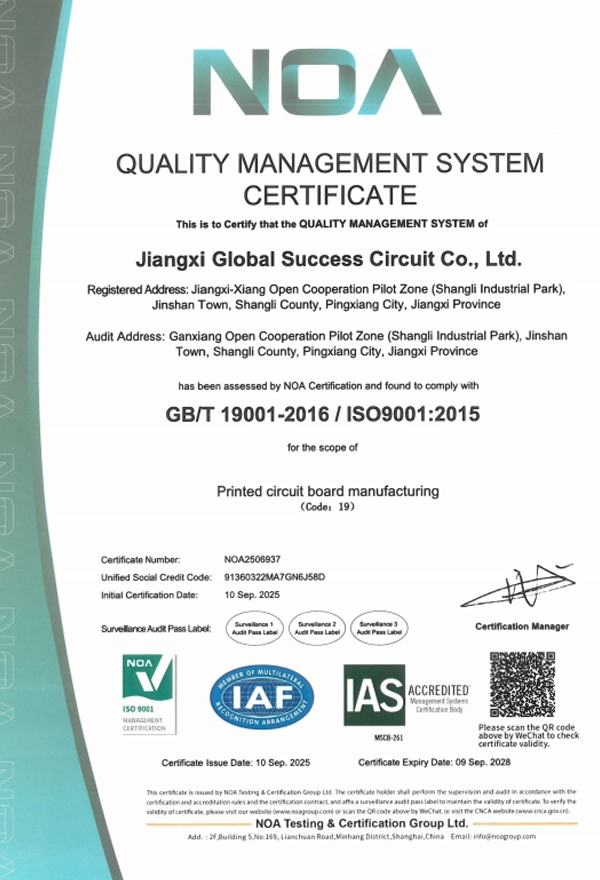
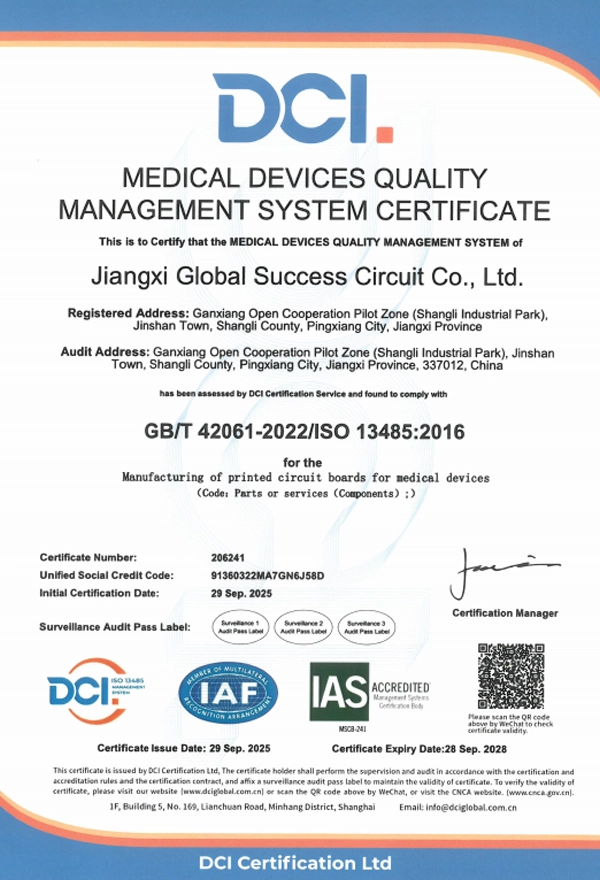
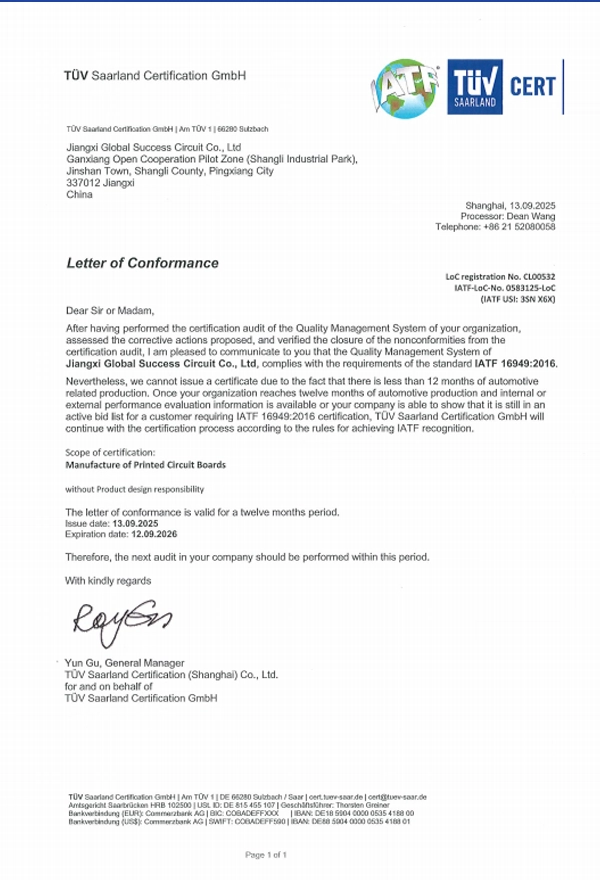
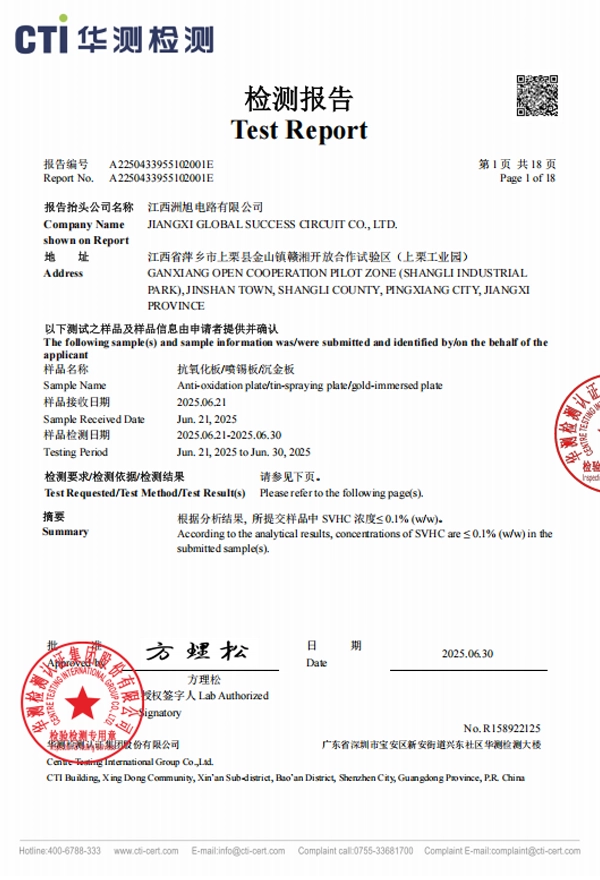
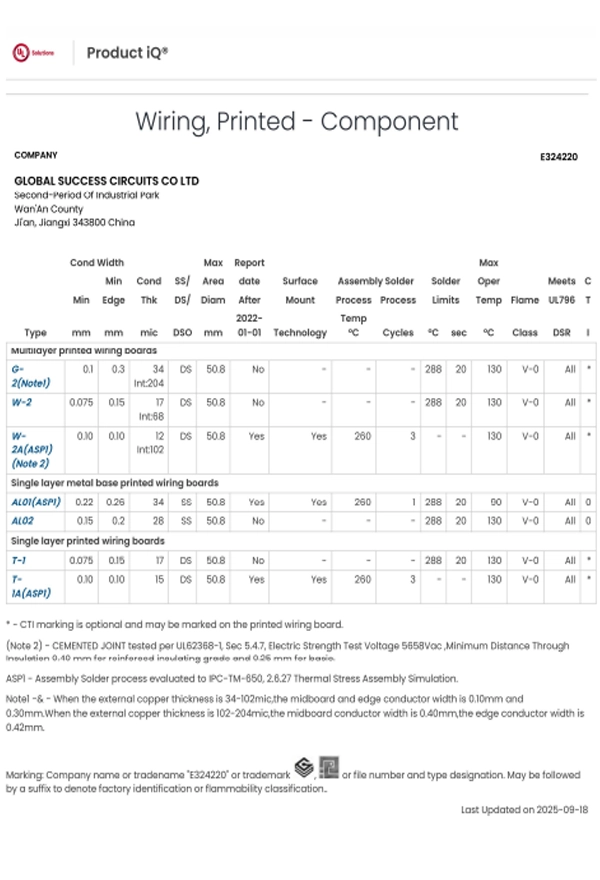
(4) Certifications & Manufacturing Standards

Our Advantages

  • High Precision & Stability – SMT machines with ±0.02mm accuracy ensure reliable soldering quality.
  • Comprehensive Quality Control – Strict QC processes from solder paste printing to final testing, minimizing defect rates.
  • Flexible Production Capabilities – Supporting small-batch prototyping and mass production.
  • One-stop PCBA Service – Covering component sourcing, PCB fabrication, SMT/DIP assembly, testing, and packaging.
  • Fast Delivery – Standard lead time of 3-7 days, with expedited options available within 24 hours.

Industry Applications

  • Our SMT/DIP services are widely used in the following industries:
    • Automotive Electronics (car navigation systems, dashcams, smart rearview mirrors)
    • Consumer Electronics (smart wearables, Bluetooth headsets, wireless chargers)
    • Medical Devices (blood pressure monitors, ECG monitors, temperature sensors)
    • Industrial Control (motor drivers, inverters, smart meters)
    • Telecommunication Equipment (Wi-Fi modules, routers, 5G base stations)

Quality Control & Testing

  • To ensure the reliability of PCBA products, we implement the following inspection methods:
    • SPI Inspection – Checks solder paste printing quality to prevent bridging or insufficient solder.
    • AOI Inspection – Automated optical inspection of placement accuracy and solder joint quality to detect missing or reversed components.
    • X-ray Inspection – Used for BGA, QFN, and hidden solder joints to ensure proper internal connections.
    • ICT Testing (In-Circuit Test) – Electrical performance testing of circuits, including voltage, current, and short circuits.
    • FCT Testing (Functional Test) – Simulates real-world operation to verify the full functionality of PCBA boards.
    • Aging Test – Long-term operational testing to ensure stabili

AI Intelligent Online Quotation

PCB Services

PCBA Service

BOM Services

Recommended Services

PCB Fabrication Services

Components Services

PCB Assembly Services

Box Build Assembly Cases

Solution Development

© 2013 - 2026 | Success Circuits Group Limited | All Rights Reserved.